The Timeless Power of Design: Principles, History, and 2026 Trends Shaping Our World
In an age where every scroll, click, and glance is filtered through visuals, design stands as one of the most influential forces in human experience. It’s not merely decoration—it’s a silent communicator that builds trust, drives behavior, and powers economies. From the sleek interfaces on your phone to the packaging of your morning coffee, thoughtful design transforms the ordinary into the extraordinary. In 2026, as AI reshapes creation and sustainability becomes non-negotiable, understanding design’s core principles and evolving trends isn’t optional for creators or businesses—it’s essential. This article dives deep into design’s rich history, foundational rules, current movements, and real-world impact, all grounded in verified facts and examples.
The Roots of Design: A Brief History of Visual Communication
Design’s story stretches back tens of thousands of years. Prehistoric cave paintings in places like Blombos Cave (around 70,000 BCE) used symbolic marks to convey stories and ideas—early evidence of humanity’s drive to communicate visually. Fast-forward to the invention of movable type by Johannes Gutenberg in 1440, which democratized knowledge and laid the groundwork for mass communication through standardized typography and layout.
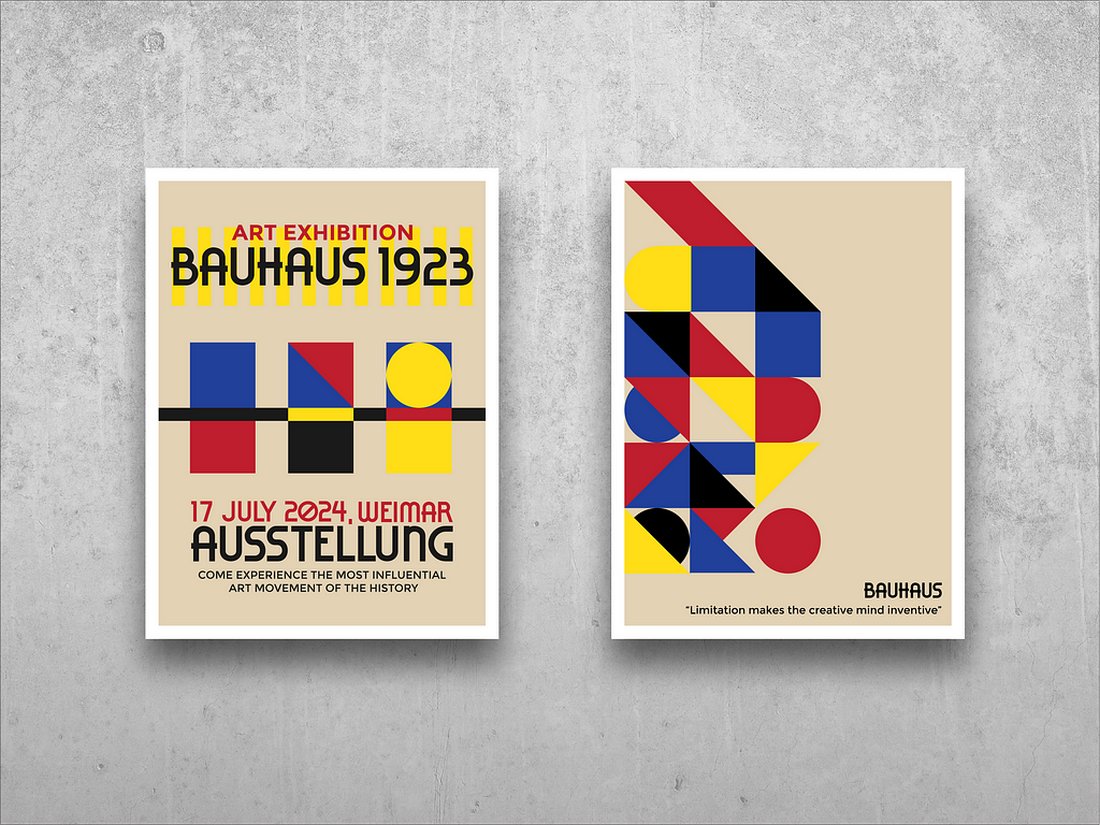
The modern era of graphic design emerged in the early 20th century amid industrial and artistic revolutions. The Bauhaus school, founded in 1919 in Weimar, Germany, revolutionized the field by merging art, craft, and technology under the mantra “form follows function.” Its geometric grids, sans-serif fonts, and emphasis on utility influenced everything from posters to architecture. By the 1950s–70s, Swiss Design (or International Typographic Style) introduced clean white space, Helvetica, and corporate minimalism, which still defines much of today’s branding.
The digital revolution in the 1980s and 1990s—marked by the launch of tools like Photoshop in 1990—shifted design from print to pixels. Icons by Susan Kare for the Macintosh and Paul Rand’s iconic corporate logos (think IBM’s enduring identity) proved that design could scale globally. Today, these milestones remind us that design has always evolved with technology while staying rooted in human connection.
The 10 Principles of Good Design: Dieter Rams’ Enduring Blueprint
No discussion of design is complete without Dieter Rams, the legendary German industrial designer whose work for Braun in the mid-20th century set the gold standard. In the 1970s, Rams outlined his “Ten Principles for Good Design,” a manifesto that remains remarkably relevant in 2026. These aren’t abstract theories—they’re practical guidelines proven through decades of iconic products like Braun’s radios and shavers.
Here they are in full:
- Good design is innovative – It harnesses new technologies without chasing novelty for its own sake.
- Good design makes a product useful – Functionality comes first, serving both practical and psychological needs.
- Good design is aesthetic – Beauty isn’t superficial; it enhances daily well-being.
- Good design makes a product understandable – It clarifies structure and purpose intuitively.
- Good design is unobtrusive – It recedes into the background, letting the user focus on the task.
- Good design is honest – No false promises or exaggeration.
- Good design is long-lasting – It avoids trends that date quickly.
- Good design is thorough down to the last detail – Nothing is arbitrary; care shows respect for the user.
- Good design is environmentally friendly – It minimizes waste and considers the planet.
- Good design is as little design as possible – Less is truly more; simplicity wins.

Rams’ philosophy—seen in his minimalist Braun products—directly inspired companies like Apple. These principles prove that great design isn’t about adding more; it’s about subtracting the unnecessary.
Design Trends Defining 2026: From AI Collaboration to Human Imperfection
As we hit mid-2026, design is in a fascinating transition. AI tools have matured from gimmicks to collaborators, but there’s a strong backlash toward “humanized” aesthetics. Trends emphasize authenticity, sustainability, and immersive experiences over sterile perfection.
Key movements include:
- AI-Generated Design as a Collaborator: AI isn’t replacing designers—it’s expanding possibilities. Tools now generate concepts, iterate layouts, and even simulate 3D prototypes, but human oversight ensures originality. Expect more “AI slop” fatigue, pushing creators toward hybrid workflows where AI handles the mundane and humans add soul.
- Organic Imperfection and Retro Aesthetics: 2026 celebrates “naive design,” scribbles, asymmetry, and 90s-inspired grunge. Rough textures, visible grids, and playful doodles counter AI’s polish. Brands are embracing “imperfect by design” to feel more relatable and human.
- Immersive 3D, Spatial Interfaces, and Multimodal Experiences: Web and UI are going volumetric. Expect 3D animations that integrate seamlessly, liquid glass effects, and interfaces that respond to voice, gesture, and touch simultaneously. Dark modes, bold typography, and bento-grid layouts dominate dashboards for better usability.

- Sustainable and Tactile Design: Eco-friendly packaging with molded pulp, recycled materials, and minimal waste is mainstream. Designs now prioritize circularity—think biodegradable elements that tell a story of responsibility.
- Purposeful Motion and Ethical Personalization: Animations guide users rather than distract. Real-time AI personalization adapts interfaces intelligently while respecting privacy.
These trends reflect a broader truth: design in 2026 balances technology with humanity.
Real-World Impact: How Design Drives Business Success
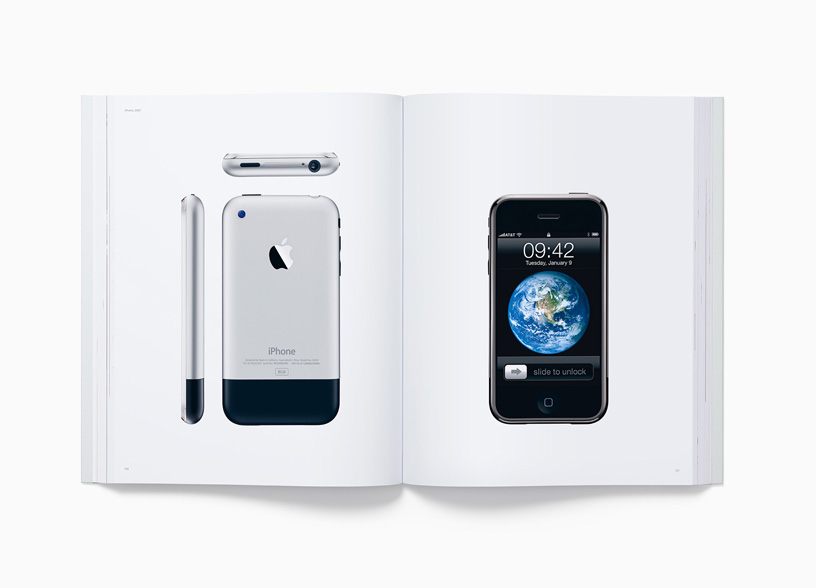
Numbers don’t lie—design delivers ROI. Apple’s minimalist ethos, rooted in Rams-inspired simplicity, turned products into cultural icons. The iPhone’s evolution from 2007’s original to today’s sleek models shows how consistent, intuitive design builds loyalty and premium pricing. Apple’s retail stores, with their clean layouts, reinforce the brand experience.
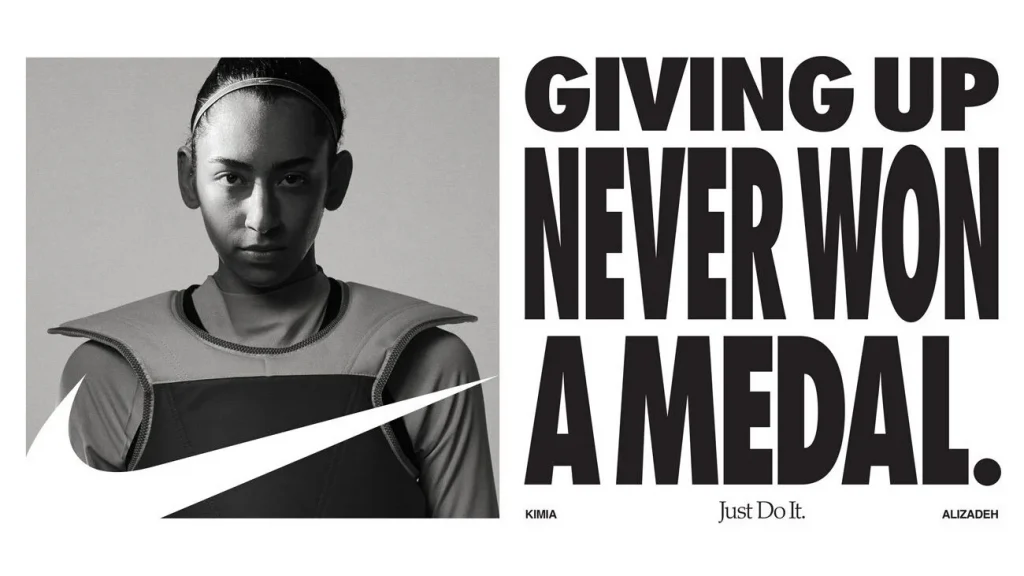
Nike offers another powerhouse case study. The $35 Swoosh logo, created in 1971, became a global symbol of empowerment. The “Just Do It” campaign, launched in 1988, transformed marketing by focusing on emotion and storytelling rather than just shoes. Today, Nike’s design-driven innovation (Flyknit tech, athlete collaborations) and digital experiences contribute to its $51+ billion revenue and dominant market share. Design isn’t a cost center—it’s a revenue engine.
Sustainable packaging examples, like those using plant-based fibers and clear eco-labeling, show how design signals values to conscious consumers while reducing environmental impact.

The Future Belongs to Thoughtful Designers
Looking ahead, design will increasingly blend AI efficiency with human empathy. Trends point to “Machine Experience” (MX) design—crafting interfaces for AI agents—and spatial computing that blurs physical and digital worlds. Yet the constants remain: honesty, usefulness, and environmental responsibility from Rams’ principles.
Whether you’re crafting a logo, building an app, or choosing a product, great design elevates everyday life. It’s proof that when form and function align, magic happens.
Start applying these insights today—experiment with imperfection, prioritize sustainability, and let simplicity guide you. In 2026 and beyond, the best designs aren’t just seen; they’re felt.